
By Dr. Mohamed Osman
· Member of the Society · Published at The Times of Israel (Blogs)
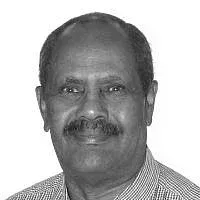
Dr. Mohamed Osman
Member of the Society · Writer at The Times of Israel
Retired physician and public-health specialist from Somaliland, based in Canada, with career service at Ottawa Public Health and Alberta Health Services — and a long-standing voice for Somaliland's international recognition.
Landlocked Ethiopia's search for sea access — and where the Berbera corridor fits.
Dr. Osman opens with the arithmetic of Ethiopia's landlocked condition: logistics devour 20 to 30 percent of the final cost of goods — against a global norm of 8 to 12 — and Addis Ababa pays Djibouti on the order of $1.5–2 billion a year for the privilege of a single door to the sea.
The single corridor is more than expensive, he argues — it is a national-security exposure. A country of 130 million people whose entire trade can be slowed by one neighbor's regulations, one port strike, or one act of sabotage does not control its own economic destiny.
Ethiopia's answer is what he calls a polycentric maritime future: multiple corridors, led by Berbera, that create redundancy, force ports to compete on price, and redefine sovereignty as connectivity rather than coastline. For Somaliland, sitting on the shortest new route to the Gulf, that future is an enormous opportunity.
This is the Society's summary — the full article, in the author's own words, is at The Times of Israel.
Continue reading at The Times of IsraelEnjoyed this? There's much more where it came from.
Read more articles by Dr. Mohamed Osman