
350,000
hectares of arable land
26,700
hectares farmed today — in the entire country
~8%
of the arable potential is in use
90%+
of farmland is rain-fed
Sources listed at the bottom of this page.
Same Desert, Two Outcomes
Somaliland's starting conditions are the ones Israel already solved. That is the entire investment thesis.
Somaliland today
- Rain-fed farming at the mercy of drought cycles
- Most food imported; trucked water at premium prices
- Diesel-pumped boreholes and open-channel flooding
- A young farming sector with huge unmet demand
What Israel built from it
- Over half its farmland reclaimed from desert
- Agricultural exporter despite chronic scarcity
- Drip irrigation and desalination invented at home
- The world's highest water-reuse rate
Three Openings
Each one uses technology Israel already mass-produces — pointed at demand Somaliland already has.
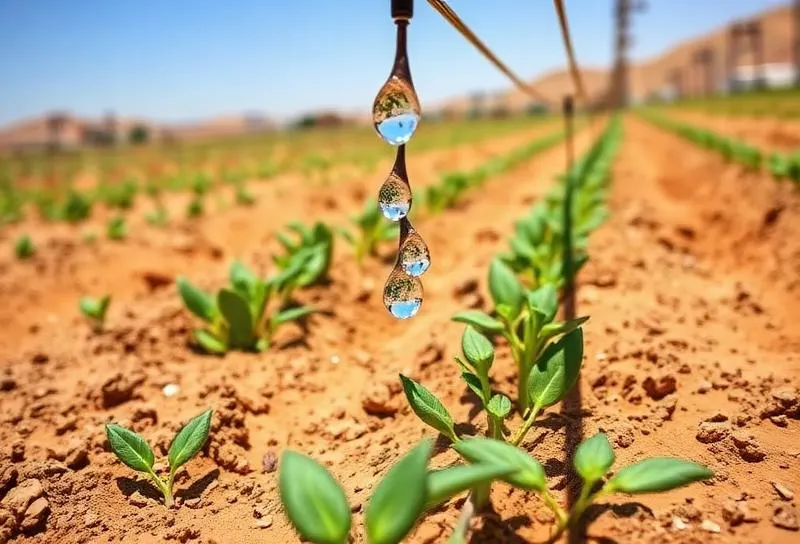
Precision & gravity-fed drip irrigation
Somaliland's vegetable and fodder farms lose most of their water to open-channel flooding from diesel-pumped boreholes. Israeli drip systems cut water use by up to 60% while raising yields — and newer gravity-powered systems like N-Drip work without pumps, filters or electricity, making them viable for smallholders where power costs $0.59/kWh.
The anchor market
The first commercial anchor market: fodder production for the livestock export pipeline through Berbera.
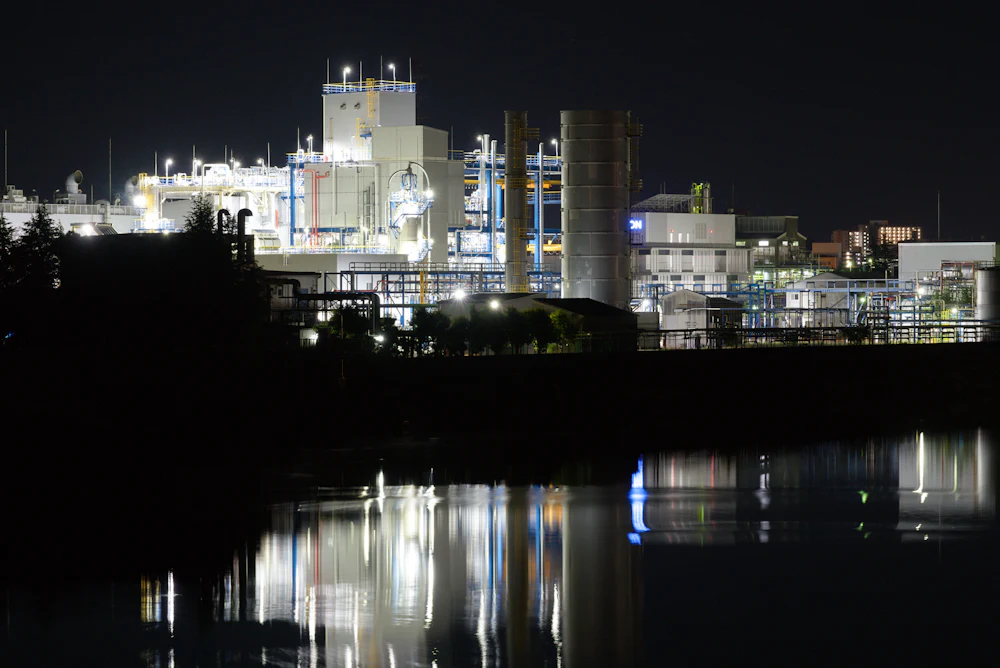
Small-scale solar desalination & water treatment
Coastal towns like Berbera sit on brackish groundwater with world-class solar resources overhead. Israel runs the world's largest seawater desalination program, and containerized solar-powered units now serve off-grid communities at village scale. Households currently buy trucked water at premium prices — water is a paying market here.
The anchor market
Hargeisa's water utility has already been scoped for private-sector participation by the World Bank.
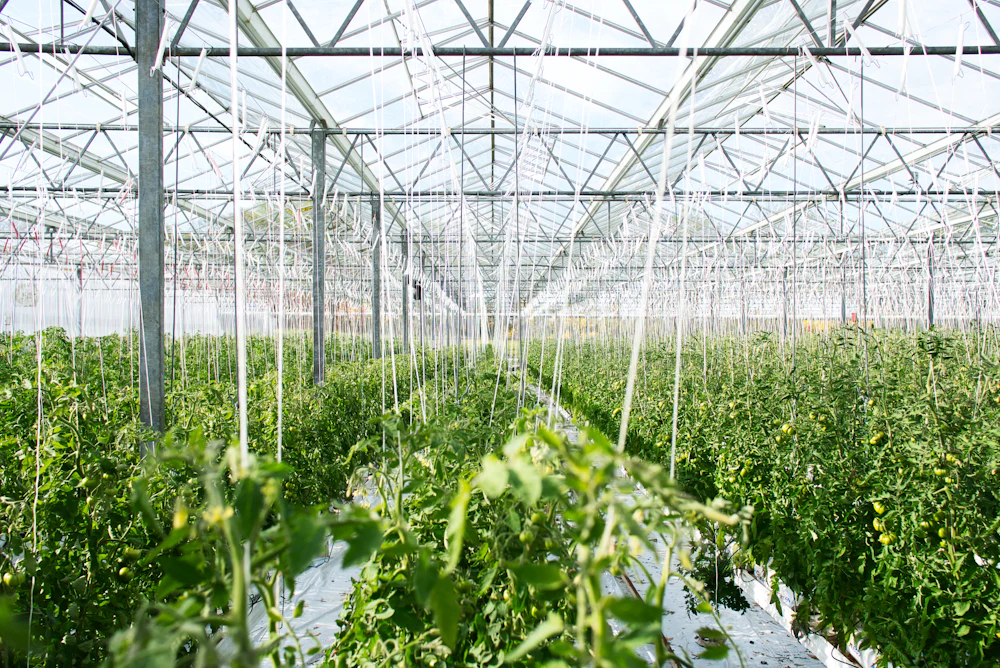
Dryland crop science & farmer training
Israel's Volcani Institute and Ben-Gurion University's desert research institutes have spent decades breeding drought-tolerant varieties and greenhouse protocols for exactly Somaliland's climate — and the training channel already exists through MASHAV.
The anchor market
The commercial play: greenhouse horticulture around Hargeisa and Berbera, displacing imported tomatoes, peppers and melons with a fraction of the water.
The Most Active Track of the Relationship
- 17 June 2026 — the two governments sign a water-and-energy cooperation agreement.
- The Mekorot tour — President Irro's delegation studies Israel's national water company's desalination and recycling facilities.
- 25 engineers — Somaliland's first water-engineering cohort is training in Israel through MASHAV right now.
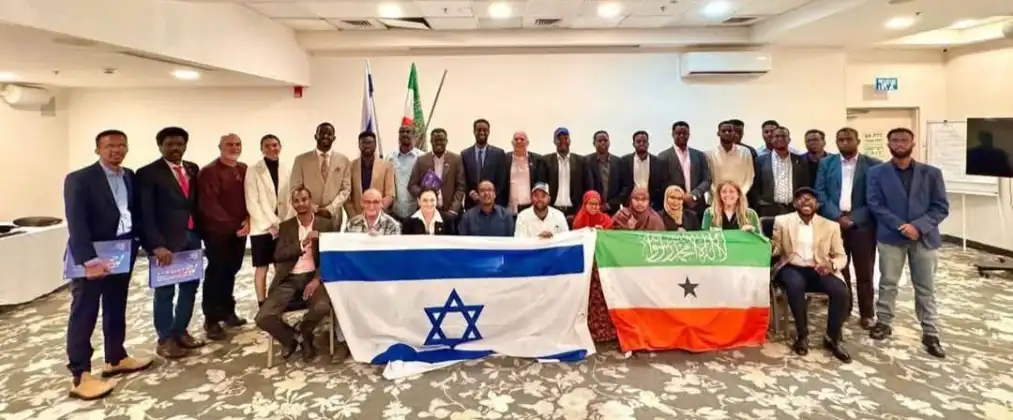
Exploring Agri-tech or Water? Start With an Introduction.
The Society connects Israeli water and agriculture companies with Somaliland's farmers, utilities, and ministries — and Somaliland businesses with Israeli technology.
Partner With UsSources for figures on this page
- Water & energy agreement and Mekorot tour — The Jerusalem Post
- Israel trains Somaliland's first water engineers (MASHAV) — JNS
- Agriculture — Somaliland Ministry of Investment
- Agriculture in Somaliland (arable land, GDP share) — Wikipedia
- Somaliland Food & Water Security Strategy — FAO
- Drought patterns in the Horn of Africa — MDPI
- Hargeisa Water Agency feasibility — World Bank PPP
- Netafim — Israeli drip irrigation
- Israeli desertification technology — NoCamels
- Israel's AgTech overview — Israel Trade Administration