3.5M
head exported in peak years
$300M+
est. annual export value
85%
of Arabian Peninsula goat imports
~60%
of Somaliland's GDP
78%
of exports go to Saudi Arabia
Export value is a peak-year estimate; published single-year figures start around $160M and rise with volume and prices. Sources at the bottom of this page.
Find Your Rung
Every stage from pasture to port is a business in itself. Here is the full ladder — and exactly where an entrepreneur or investor can step in.
Breeding & rearing
Pastoralists & breeders
Livestock genetics, breeding stock, veterinary services, herd-health programs.
Feed & fodder
Feed producers
Irrigated fodder farms, commercial feed mills, drought-resilient forage.
Feedlots
Fatteners
Modern feedlots, animal nutrition, finishing and weight-gain systems.
Quarantine & certification
Health & compliance
Quarantine stations, testing labs, export-grade disease certification.
Processing / abattoir
Meat processors
Modern abattoirs, halal & kosher processing, packaging and value-add.
Cold chain
Logistics backbone
Refrigerated storage, reefer transport and port cold-stores — linking every stage.
Export & trade
Exporters
Trade houses, trade finance, buyer relationships, and new market access.
Today Somaliland mostly exports live animals from the earliest stages. The value — and the opportunity — grows with every rung you climb toward processing and export.
$500M
lost in a single year when COVID cancelled the Hajj
The demand engine
One festival drives the year
Each pilgrim slaughters an animal for Eid al-Adha, concentrating the year's demand into a single Hajj season. It is the biggest force in the trade — and the clearest illustration of both its scale and its dependence on one market.
The Modernization Wave Has Started
$20M
Berbera quarantine hub — under construction
A Taiwan-led consortium has broken ground on an 88-hectare quarantine zone with automated platforms and digital traceability, targeting capacity of 1M head a year — with offtake agreements already signed with Middle Eastern abattoir groups.
2nd
A second certified market is opening
Israel's recognition creates the possibility this trade has never had: a nearby, premium, kosher-certified export market — reducing the one-buyer risk that has defined the sector for decades. See the full case.
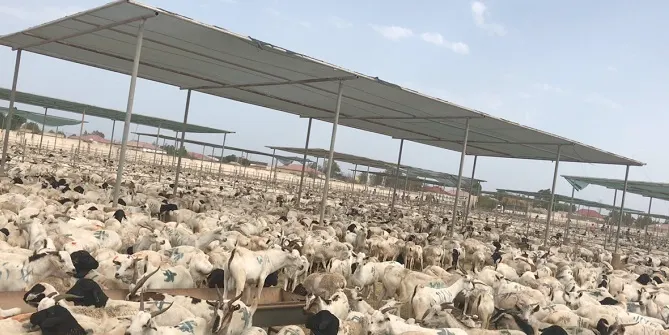
Where Investors Fit
Five underdeveloped links in a proven chain — each one a concrete entry point.
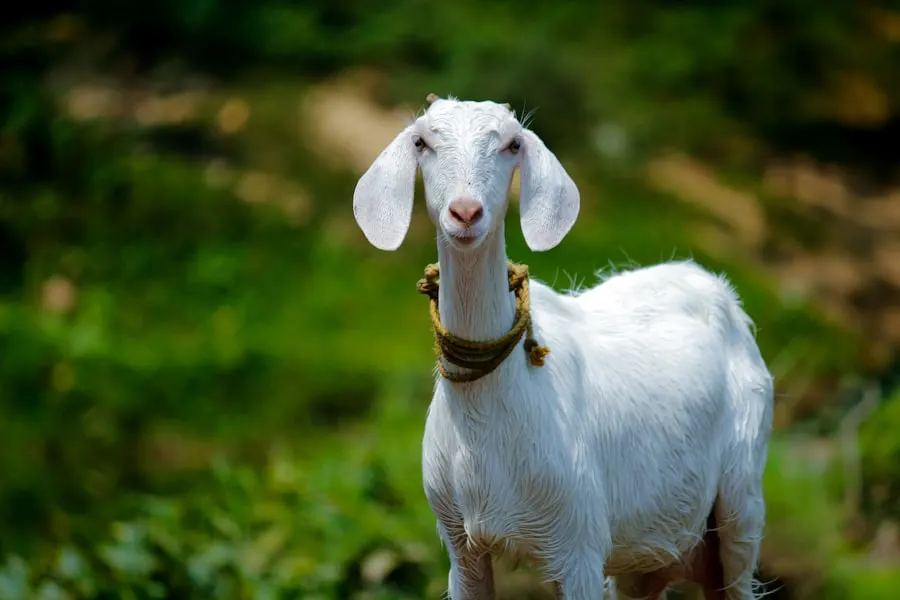
Animal health & certification
Veterinary services, vaccination programs, and export-grade disease certification — the sector's single biggest value unlock.
A first deal looks like
A veterinary services company or a certification lab joint-venture.
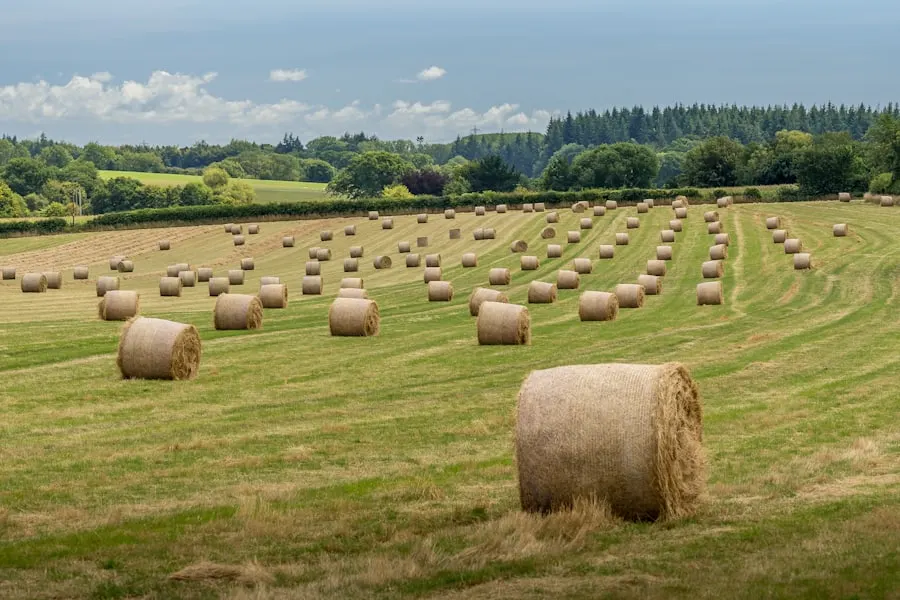
Fodder & feed
Drought is the supply side's weak point. Commercial fodder farming and feed production directly de-risk the entire chain.
A first deal looks like
An irrigated fodder farm supplying the Berbera quarantine zones.
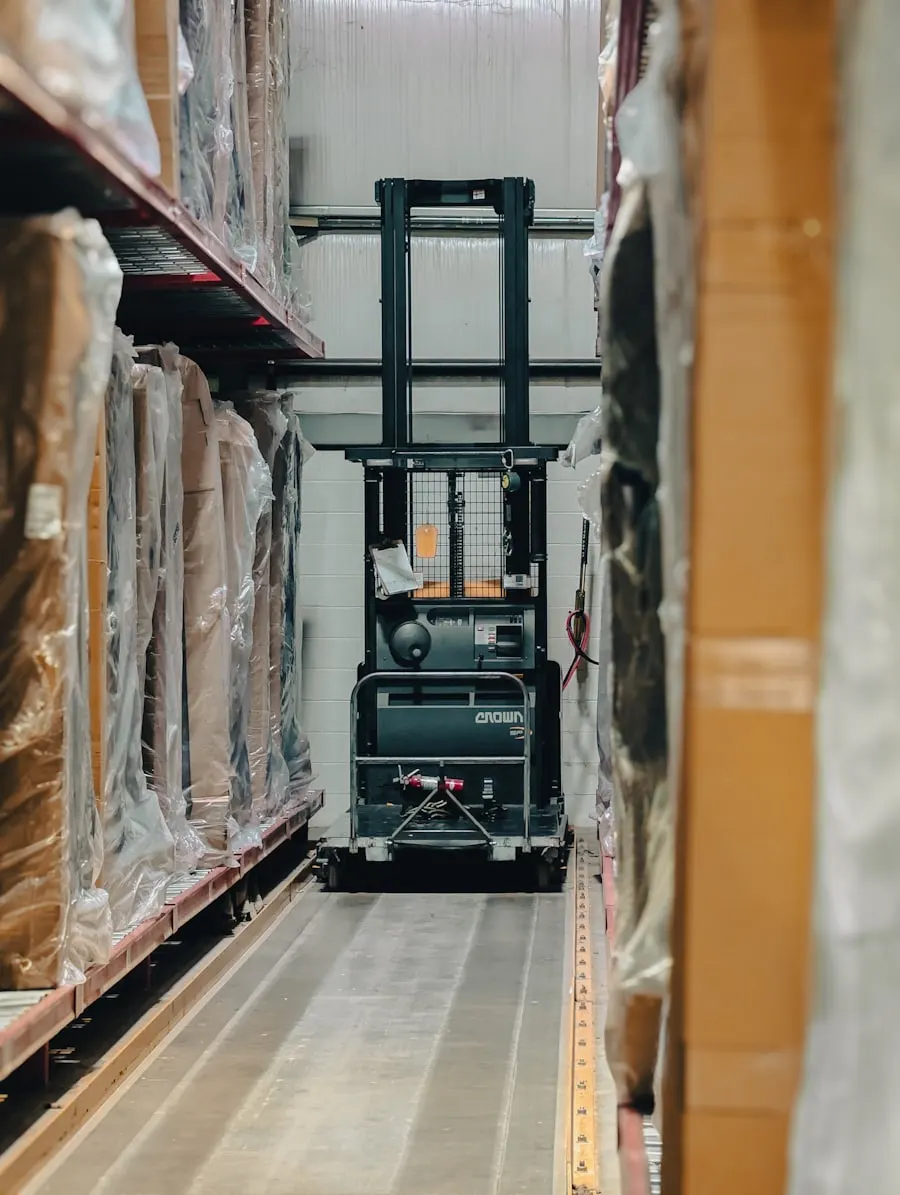
Processing & cold chain
Today Somaliland exports live animals. Chilled and processed meat multiplies the value per head — the sector's industrial frontier.
A first deal looks like
A modern abattoir or refrigerated logistics line to Gulf buyers.
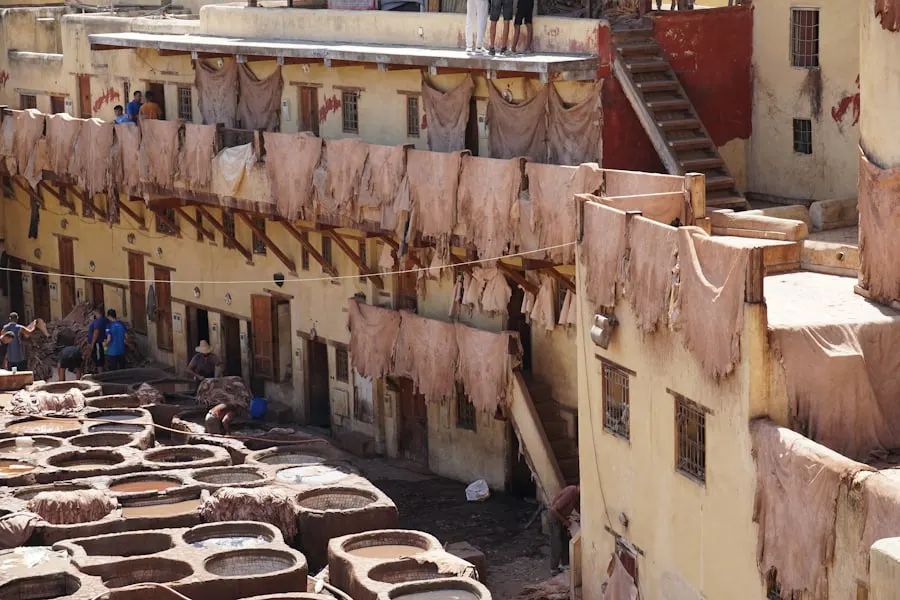
Hides & by-products
Millions of hides and skins are exported as raw by-products. Tanning, leather, bones, and tallow are underdeveloped value chains.
A first deal looks like
A hides-processing or leather-goods offtake partnership.

Traceability & livestock fintech
Digital herd registration, animal ID, trade finance, and insurance for herders — the software layer the whole trade is missing.
A first deal looks like
A herd-traceability pilot with export certification attached.
See your own rung?
If one of these gaps looks like your business, the conversation starts with one introduction.
Partner With Us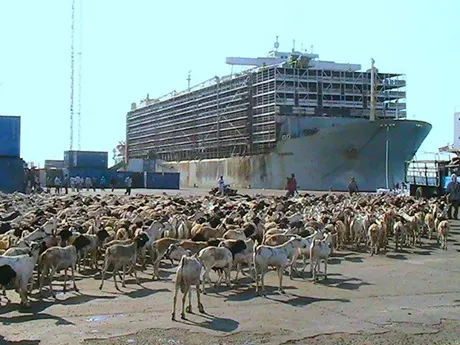
This Sector's Problems Are Israel's Specialties
Every structural weakness in the livestock trade maps onto a field where Israeli technology leads the world. That is why Israeli investors have an edge here that no one else can copy.
Disease-driven bans cost exporters $330M in one five-year stretch
Israeli veterinary science, vaccines, and disease surveillance attack the sector's #1 historical risk directly.
Drought cycles decimate herds and fodder supply
Israeli drip irrigation and water management make commercial fodder farming viable in arid conditions.
Low yields per animal across meat and dairy
Israeli dairy genetics and feed-efficiency know-how — Israel's cows hold world milk-yield records.
Dangerous dependence on a single buyer
The new relationship opens a second certified market: Israel imports hundreds of thousands of live animals yearly from weeks away — Berbera is days away.
The Risks, Named
Serious investors ask anyway. Here they are — with what mitigates them.
Ban history
Saudi Arabia banned imports over Rift Valley fever for nine years from 2000, and partially again in 2016.
Mitigation: certification, traceability, and vaccination — investable problems, not acts of God.
Drought cycles
Recurring droughts hit herd sizes and quality, squeezing supply in bad years.
Mitigation: fodder farming, water infrastructure, and herd insurance blunt the cycle.
One-buyer concentration
Roughly 78% of exports go to one market, with demand peaking around one festival season.
Mitigation: market diversification — which is precisely what the Israel corridor represents.
Exploring Livestock? Start With an Introduction.
The Society connects Israeli investors with the exporters, ministries, and local partners who run this trade — and Somaliland businesses with Israeli technology.
Partner With UsSources for figures on this page
- Livestock Sector Guide — SomalilandBiz
- Livestock: the foundation of the economy — GSI Africa
- Factors influencing livestock export in Somaliland's terminal markets — Pastoralism (Springer)
- Effects of livestock import bans imposed by Saudi Arabia on Somaliland — Outlook on Agriculture (SAGE)
- Somalia's livestock misses out on Hajj — Quartz Africa
- Taipei-based group breaks ground on Somaliland livestock hub — NTU CAS
- Livestock by-products value chains in Somaliland — Pastoralism (Springer)