
By Dr. Mohamed Osman
· Member of the Society · Published at The Times of Israel (Blogs)
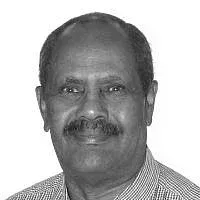
Dr. Mohamed Osman
Member of the Society · Writer at The Times of Israel
Retired physician and public-health specialist from Somaliland, based in Canada, with career service at Ottawa Public Health and Alberta Health Services — and a long-standing voice for Somaliland's international recognition.
Berbera's rise as a challenger to Djibouti's chokehold on regional trade.
For a generation, virtually everything Ethiopia bought or sold crossed a single wharf: Djibouti handled over 95 percent of the trade of a country of more than a hundred million people. Dr. Osman's essay is about the end of that monopoly — and about Berbera, where DP World invested after losing its Djibouti concession, as the instrument of its breaking.
He is unsparing about the politics. Djibouti's position was defended not just by geography but by institutions — including an African Union in which incumbents use the machinery of continental integration to protect their rents, while a crowd of foreign military bases complicates every decision about the Horn.
The deeper argument is that infrastructure is political power: a port that works advances Somaliland's de facto sovereignty more effectively than any resolution, and a Red Sea served by competing ports is safer for everyone than one that depends on a single chokepoint. Berbera, in this telling, is not just a harbor — it is a lever moving the whole region.
This is the Society's summary — the full article, in the author's own words, is at The Times of Israel.
Continue reading at The Times of IsraelEnjoyed this? There's much more where it came from.
Read more articles by Dr. Mohamed Osman