By Dr. Mohamed Osman
· Member of the Society · Published at The Times of Israel (Blogs)
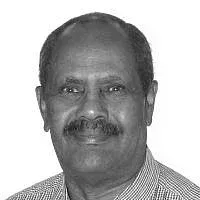
Dr. Mohamed Osman
Member of the Society · Writer at The Times of Israel
Retired physician and public-health specialist from Somaliland, based in Canada, with career service at Ottawa Public Health and Alberta Health Services — and a long-standing voice for Somaliland's international recognition.
Two young states that built themselves against the odds — the parallels that make this friendship natural.
Dr. Osman sets the two countries side by side and finds the parallels striking: both built functioning, democratic states in unforgiving neighborhoods; both inherited British legal frameworks; both lean on large, devoted diasporas; and both sit astride waterways the world cannot afford to lose. Each spent its formative years fighting for legitimacy the world was slow to grant.
He is equally clear-eyed about the differences. Israel is a fully recognized, high-technology economy with one of the world's most capable militaries; Somaliland remains a largely pastoral economy whose institutions have outrun its paperwork. One is pluralistic and globally connected; the other is homogeneous, Muslim, and organized around clan consensus.
The comparison is really an argument: what the two countries share is what makes the friendship natural, and what separates them is exactly what cooperation can close. Writing weeks after recognition, he outlines the emerging framework — technology for resources, coordination on Red Sea security, and the UAE playing quiet facilitator in the background.
This is the Society's summary — the full article, in the author's own words, is at The Times of Israel.
Continue reading at The Times of IsraelEnjoyed this? There's much more where it came from.
Read more articles by Dr. Mohamed Osman